As COP31 calls for a shift from climate commitment to implementation, AUO is stepping up its carbon-neutral building initiatives. Following the Global Research Center (GRC) headquarters becoming Taiwan’s first building verified to ISO 14068 in 2024, AUO has expanded carbon neutrality verification to three more sites this year, bringing the total to four office buildings. For the first time, AUO also purchased and retired independently verified international carbon credits through the Taiwan Carbon Solution Exchange to offset residual emissions, complementing its emissions reduction and use of renewable energy.
|
Aligned with the Science Based Targets initiative (SBTi), AUO reduced carbon emissions by 47% in 2025 from its 2018 peak. The company has also committed to achieving carbon neutrality across all office buildings in Taiwan by 2030, with 40% of the target achieved to date.
“Net-zero commitments must be translated into verifiable action,” said Amy Ku, Chief Sustainability Officer of AUO. “Starting with our first carbon-neutral building, we have continued to scale up our efforts by integrating energy efficiency, renewable energy and carbon asset management. These efforts not only deliver tangible carbon reduction results, but also build capabilities that can support the industry’s low-carbon transition and strengthen resilience to climate challenges.”
Prioritizing Carbon Reduction and Using International Credits for Residual Emissions
All four AUO office buildings verified this year follow ISO 14068 principles that prioritize emissions reduction before offsetting. Leveraging Group-wide energy management and energy-saving technologies, AUO has implemented LED lighting upgrades, equipment replacement, energy-efficient air conditioning and server rooms, optimized electricity use in cafeteria common areas, and smart power monitoring. These measures have reduced annual electricity consumption per employee by 24% from 2022. Renewable energy now accounts for 95% of electricity used by the buildings, reducing emissions at the source and the need for subsequent offsetting.
For Scope 3 emissions that remain difficult to eliminate, including employee commuting and business travel, AUO offset 4,918 metric tons of CO₂e with independently verified international carbon credits.
Purchased through the Taiwan Carbon Solution Exchange for the first time, the credits include removal credits from an Improved Forest Management project in Maine, U.S., and emission reduction credits from a landfill gas recovery and utilization project in Brazil.* The portfolio combines carbon removal and emissions reduction to support global climate action, while building AUO’s experience in evaluating, purchasing and managing international carbon credits and its understanding of different market mechanisms and credit quality.
Extending Carbon Management Expertise into Low-Carbon Services
As carbon markets evolve, carbon asset management has become increasingly important for companies managing climate risks. AUO holds domestic early-action carbon credits issued by Taiwan’s Ministry of Environment and became Taiwan’s first technology company to sell credits from a domestic offset project in 2025, building experience spanning emissions reduction, carbon credit acquisition and trading. As Taiwan advances its carbon fee and environmental impact assessment mechanisms, carbon credits are becoming an important decarbonization tool, enabling broader carbon asset management, applications and collaboration as carbon gains economic value.
To address growing industry demand for net-zero transition, AUO is extending the decarbonization experience and technical capabilities developed across its own operations through group company AET Corporation. Integrating smart building, energy management and low-carbon building capabilities, AET Corporation provides one-stop solutions that turn AUO’s own sustainability practices into practical services to help companies reduce emissions.
As global climate action moves from commitments to measurable results, AUO will continue to align with international standards, deepen its low-carbon practices and carbon asset management capabilities, and translate its practical experience into green competitiveness, collaborating with partners to build a more resilient low-carbon future with greater growth potential.
* The carbon credits from the Maine Improved Forest Management project and Brazil landfill gas recovery and utilization project carry the ICVCM Core Carbon Principles (CCP) label.
|
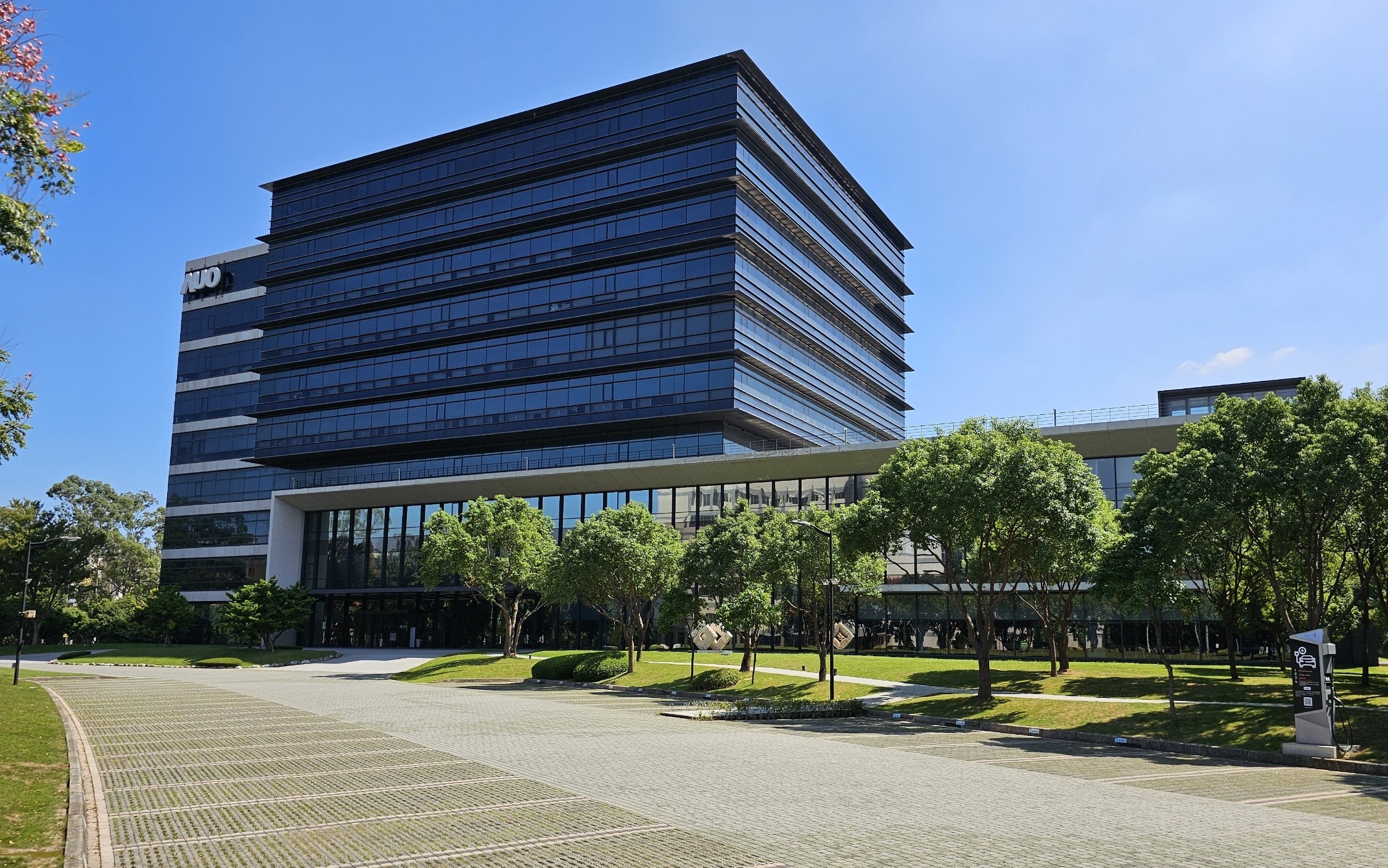
AUO expands carbon-neutral buildings to four ISO 14068-verified sites, taps international carbon credits for the first time, complementing its emissions reduction and use of renewable energy.
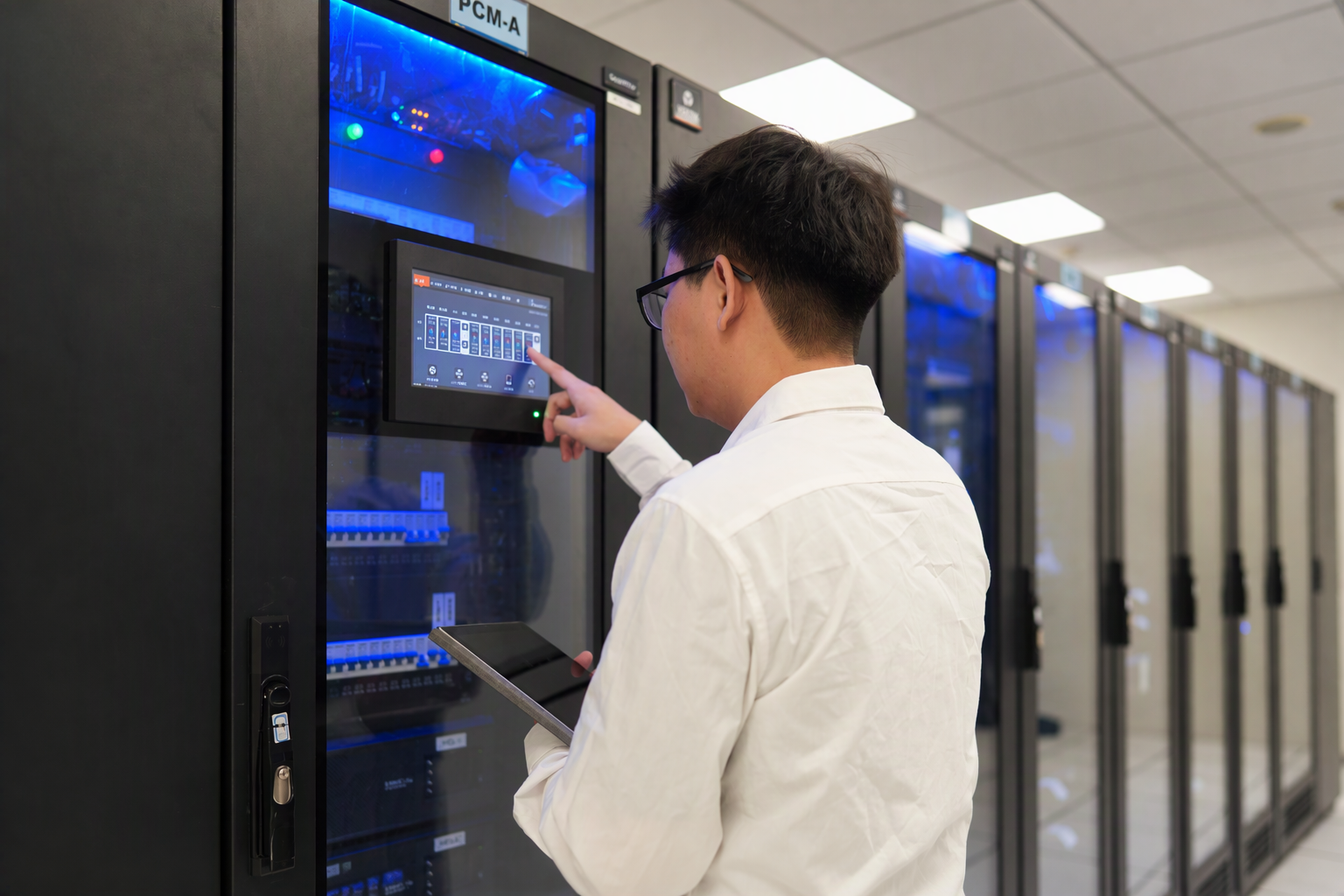
All four AUO office buildings verified for carbon neutrality leverage Group-wide energy management and energy-saving technologies, as well as smart power monitoring to boost management efficiency. As a result, renewable energy now accounts for 95% of the buildings’ electricity use, reducing emissions at the source and minimizing the need for subsequent offsetting.
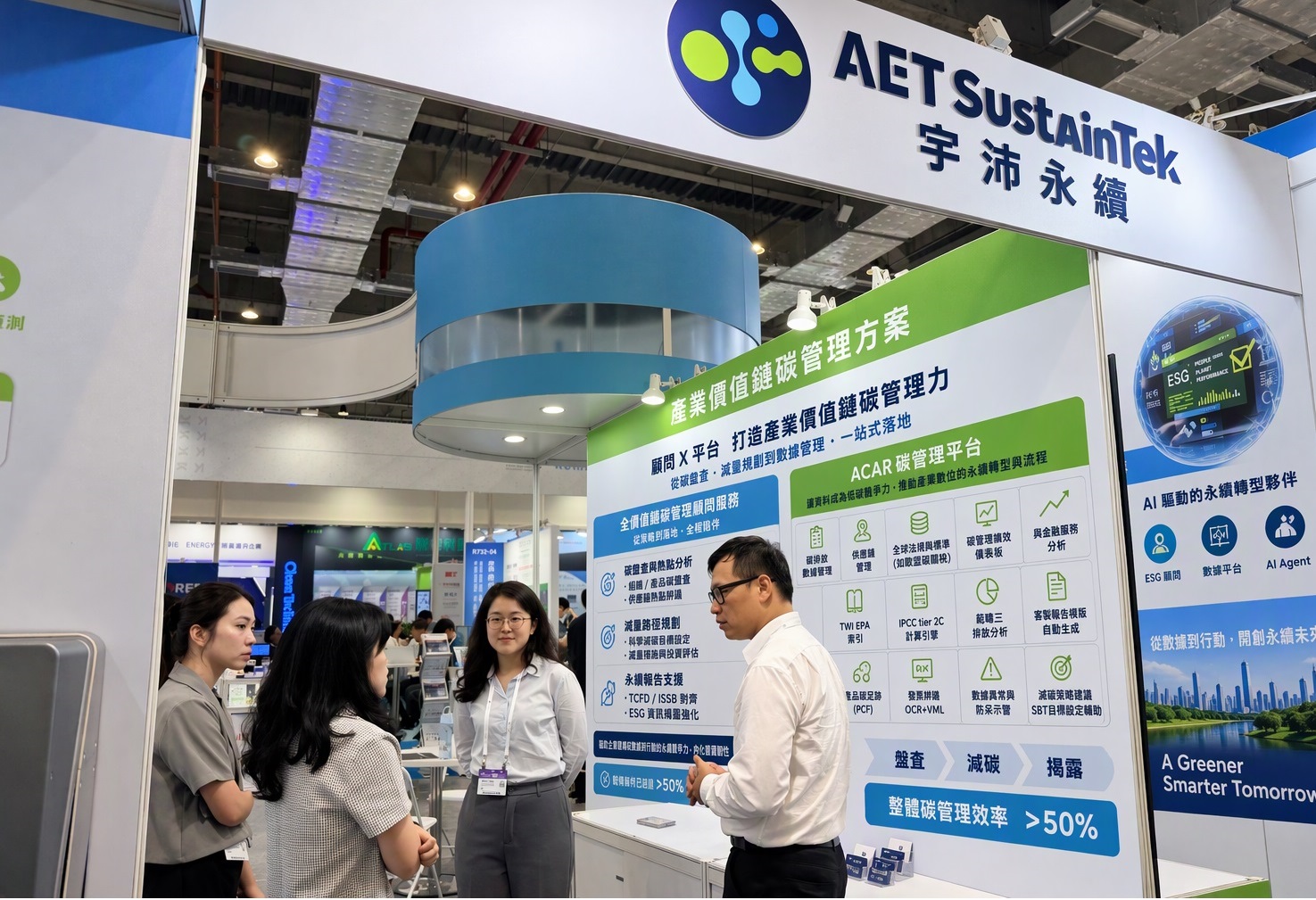
To address growing industry demand for net-zero transition, AUO group’s AET Corporation integrates smart building, energy management, and low-carbon building capabilities, turning AUO’s own sustainability practices into practical services to help companies reduce emissions.
|